I. Panoramica generale del settore dei pigmenti organici
I pigmenti organici sono coloranti composti da composti a base di carbonio. Presentano vantaggi quali colori brillanti, buona copertura, resistenza alla luce e al calore, e sono ampiamente utilizzati in rivestimenti, inchiostri da stampa, materie plastiche, tessuti, cosmetici e altri settori ad alto valore aggiunto. Rispetto ai pigmenti inorganici, i pigmenti organici occupano una posizione importante nel mercato globale dei colori grazie alla loro ricca gamma cromatica e all'elevata possibilità di regolazione.
Negli ultimi anni, grazie all'ammodernamento dell'industria manifatturiera cinese, alla crescita stabile della domanda a valle, all'espansione dei mercati di esportazione e alla promozione di politiche di tutela ambientale, la Cina è diventata uno dei maggiori produttori ed esportatori mondiali di pigmenti organici. I dati di mercato dimostrano che la Cina detiene una quota significativa della produzione globale di pigmenti organici e vanta un forte vantaggio in termini di costi e capacità nella catena di approvvigionamento globale.
II. Tendenze di sviluppo future
1. La continua crescita della domanda stimola l'espansione del settore.
Nei prossimi anni, si prevede che il mercato cinese dei pigmenti organici manterrà una crescita costante. Da un lato, la domanda di pigmenti colorati proveniente dai settori tradizionali dei rivestimenti, delle materie plastiche e degli inchiostri rimane la principale fonte di domanda, soprattutto con la continua espansione delle applicazioni nei settori automobilistico, dell'arredamento architettonico e della stampa di prodotti elettronici. Dall'altro lato, le applicazioni emergenti come la stampa 3D, i materiali di imballaggio ecocompatibili e i pigmenti elettronici di fascia alta stanno aumentando costantemente la domanda di pigmenti organici personalizzati e ad alte prestazioni, il che spingerà il settore verso uno sviluppo di fascia alta.
Secondo le previsioni del settore, il mercato globale dei pigmenti organici continuerà a crescere a partire dal 2025, trainato da normative ambientali sempre più stringenti e dalla crescente domanda di soluzioni cromatiche di alta qualità. L'applicazione di pigmenti organici ad alte prestazioni si sta estendendo verso settori di fascia alta e funzionali, come prodotti con maggiore resistenza agli agenti atmosferici e stabilità termica, nonché una nuova generazione di pigmenti a base d'acqua e pigmenti ecocompatibili destinati al mercato della sostenibilità.
2. Ottimizzazione della struttura industriale e innovazione tecnologica che guidano l'ammodernamento
L'industria cinese dei pigmenti organici si sta trasformando da una fase di "espansione su larga scala" a una di "incremento del valore". Per lungo tempo, il mercato cinese ha presentato una quota relativamente elevata di prodotti di fascia bassa, ma grazie al miglioramento delle capacità di ricerca e sviluppo tecnologico a livello nazionale e all'inasprimento degli standard ambientali, la percentuale di pigmenti organici ad alte prestazioni con vantaggi ambientali è in costante aumento. Le aziende del settore stanno incrementando gli investimenti in ricerca e sviluppo, introducendo processi avanzati e attrezzature di produzione automatizzate e rafforzando il controllo qualità dei prodotti per migliorarne la competitività.
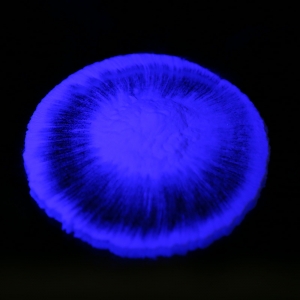
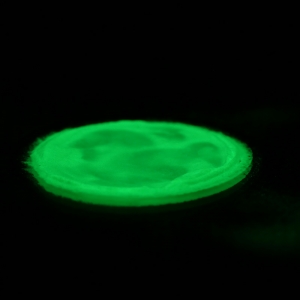
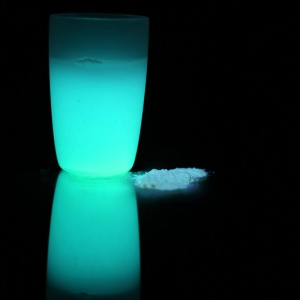
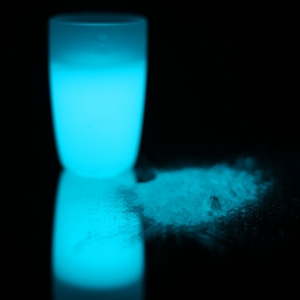
L'innovazione tecnologica è la chiave per l'ammodernamento del settore. La ricerca e lo sviluppo si concentrano sul miglioramento della stabilità del colore, della disperdibilità e della sostenibilità, prestando attenzione anche alle prestazioni dei pigmenti in applicazioni specifiche come le vernici per veicoli a energia alternativa e le materie plastiche industriali di alta gamma. Inoltre, vengono gradualmente sviluppati nuovi prodotti a base di pigmenti (come i pigmenti fluorescenti e i pigmenti ad effetto luminescente speciale) per soddisfare le esigenze sempre più diversificate in termini di effetti visivi delle industrie a valle.
3. Tutela dell'ambiente e produzione ecocompatibile come competenze chiave
Con normative ambientali globali sempre più stringenti (come il regolamento REACH dell'UE, gli standard dell'EPA statunitense e le politiche ambientali nazionali), l'industria dei pigmenti organici deve adattarsi alla tendenza della produzione ecocompatibile. Ciò implica non solo la selezione delle materie prime e il controllo delle emissioni chimiche durante la produzione, ma anche la valutazione del ciclo di vita del prodotto (LCA), la riciclabilità e la lavorazione senza effetti nocivi. I pigmenti organici ecocompatibili che soddisfano i requisiti ambientali sono sia un prerequisito per l'accesso ai mercati globali sia un elemento importante per la competitività del marchio.
I fornitori cinesi stanno gradualmente modernizzando i propri impianti di produzione, ottimizzando i sistemi di trattamento delle acque reflue e dei gas di scarico e riciclando i rifiuti solidi per soddisfare standard ambientali più elevati, anche per l'esportazione verso i mercati europei e americani. Questa trasformazione non solo accresce la competitività internazionale delle imprese, ma promuove anche lo sviluppo sostenibile dell'intero settore.
4. Integrazione della catena di approvvigionamento globale ed espansione del mercato delle esportazioni
L'industria cinese dei pigmenti organici vanta una solida capacità di esportazione. I dati dimostrano che la Cina è da molti anni leader mondiale nelle esportazioni, principalmente verso Nord America, Europa, Sud-est asiatico e Sud America. Questa crescita delle esportazioni non solo ha favorito l'espansione della capacità produttiva, ma ha anche spinto le aziende nazionali a dare maggiore importanza alla costruzione del marchio e ai servizi offerti sul mercato internazionale.
In futuro, i fornitori cinesi approfondiranno la loro conoscenza della struttura del mercato globale e adatteranno le loro linee di prodotti per soddisfare le diverse esigenze delle varie regioni. Ad esempio, quando esportano verso i mercati europei e americani, i fornitori di pigmenti organici dovranno offrire prodotti che soddisfino rigorosi standard ambientali locali e fornire una documentazione tecnica completa sulla conformità (come schede di sicurezza, dati di conformità REACH, ecc.).
Nel frattempo, i cambiamenti nel contesto commerciale (come le politiche tariffarie e le barriere commerciali internazionali) richiedono alle aziende di apportare modifiche più flessibili alle proprie catene di approvvigionamento, alle strategie commerciali e alle strategie di localizzazione.
5. Il panorama competitivo del settore si sta polarizzando sempre di più
L'industria cinese dei pigmenti organici comprende numerose aziende, tra cui grandi gruppi chimici, multinazionali e piccole e medie imprese produttrici di pigmenti speciali. In futuro, con l'intensificarsi della concorrenza di mercato, l'alto contenuto tecnologico e la capacità di gestione del marchio diventeranno i principali vantaggi competitivi dei leader del settore. Pertanto, è probabile che le grandi imprese e le medie imprese tecnologicamente innovative raggiungano una crescita più rapida.
D'altro canto, alcune PMI dovranno affrontare la pressione dell'omogeneizzazione dei prodotti e l'aumento dei costi di conformità ambientale. Potrebbero quindi cercare nuove opportunità di crescita attraverso la segmentazione del mercato, il miglioramento del servizio clienti o la cooperazione con aziende estere.
III. Fornitori cinesi consigliati di pigmenti organici
Di seguito sono elencati cinque fornitori/produttori cinesi di pigmenti organici (senza un ordine particolare, ma tutti aziende degne di nota nel settore):
Anhui Aiso Chemical Co., Ltd. — Società controllata da Anhui Aiso Import & Export Co., Ltd., specializzata in materie prime chimiche, coloranti e pigmenti ad effetto, offre servizi di lavorazione OEM ed esportazione al mercato internazionale, con attività in Europa, America e Medio Oriente.
Rosely Chemical (Hangzhou) Co., Ltd. è un'azienda produttrice di pigmenti che offre una varietà di pigmenti organici adatti per applicazioni in vernici, inchiostri e materie plastiche.
ORIEN CHEMICAL CO., LTD. — Fornitore di pigmenti organici, offre pigmenti organici, coloranti e prodotti chimici correlati con una vasta gamma di colori.
Cala Technology (Guangdong) Co., Ltd. si occupa anche di pigmenti organici e altre polveri colorate, applicabili a materie plastiche, inchiostri e altri settori, offrendo tempi di risposta rapidi e servizi personalizzati.
Hebei Jiehong Pigment Chemical Co., Ltd. — Pur essendo nota principalmente per i pigmenti inorganici, alcune delle sue linee di prodotti includono pigmenti organici e pigmenti speciali, il che la rende un attore significativo nel mercato nazionale dei pigmenti chimici.
IV. Conclusion
I fornitori cinesi di pigmenti organici si trovano ad affrontare molteplici sfide e opportunità di sviluppo, tra cui l'espansione del settore, l'aggiornamento tecnologico, requisiti ambientali più stringenti e l'intensificarsi della concorrenza sul mercato globale. Lo sviluppo futuro si concentrerà sulla ricerca e sviluppo di prodotti di alta gamma, sul potenziamento delle capacità di produzione ecocompatibile, sull'ottimizzazione della catena di fornitura globale e sulla promozione internazionale del marchio. Le aziende con una forte capacità innovativa, competenze in materia di conformità e una prospettiva globale saranno in una posizione migliore per ottenere un vantaggio competitivo nel mercato internazionale dei pigmenti organici.
Domande frequenti:
1. Cosa sono i pigmenti perlescenti?
I pigmenti perlescenti sono pigmenti ad effetto funzionale che creano una lucentezza simile a quella della perla attraverso la riflessione e l'interferenza della luce. Sono ampiamente utilizzati in vernici, materie plastiche, inchiostri, cosmetici e applicazioni decorative per ottenere effetti metallici, scintillanti o cangianti.
2. Che tipi di pigmenti perlescenti offrite?
Forniamo una gamma completa di prodotti, tra cui:
Pigmenti perlescenti a base di mica
Pigmenti perlescenti rivestiti di biossido di titanio
Pigmenti ad effetto metallico
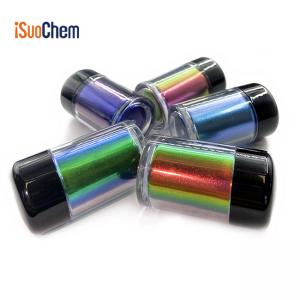
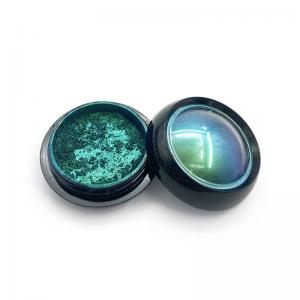
Pigmenti interferenti e che cambiano colore
Gradi industriali ad alta resistenza agli agenti atmosferici
Pigmenti perlescenti di qualità cosmetica
3. A quali settori si rivolgono i vostri prodotti?
I nostri pigmenti trovano ampia applicazione in:
Vernici e rivestimenti per autoveicoli
Vernici industriali e in polvere
Masterbatch di plastica e stampaggio a iniezione
Inchiostri da stampa e inchiostri UV
Prodotti cosmetici e per la cura della persona
Materiali decorativi per imballaggi e design
4. Come scelgo il pigmento perlescente giusto?
La selezione dipende da:
Sistema di applicazione (rivestimento, plastica, inchiostro, cosmetico, ecc.)
Effetto visivo desiderato (lucentezza, brillantezza, spostamento del colore, interferenza)
Distribuzione delle dimensioni delle particelle
Requisiti di resistenza al calore e di durabilità agli agenti atmosferici
Il nostro team tecnico può consigliarvi il grado più adatto alla vostra applicazione.
5. In che modo la dimensione delle particelle influisce sull'aspetto?
Granulometria fine: lucentezza liscia ed elegante
Particelle di medie dimensioni: luminosità e copertura bilanciate.
Particelle di grandi dimensioni: forte brillantezza e alto impatto visivo.
6. I vostri prodotti sono conformi alle normative internazionali?
Sì. I nostri prodotti sono conformi alle principali normative internazionali come ROHS e REACH. I pigmenti per uso cosmetico soddisfano i relativi standard di sicurezza e la documentazione tecnica (schede tecniche, schede di sicurezza, rapporti di conformità) è disponibile su richiesta.
7. Offrite colori personalizzati o effetti speciali?
Sì. Offriamo:
��
Abbinamento colori personalizzato
✨ Effetti ottici speciali (interferenza, gradiente, effetto metallico)
��
Intervalli di granulometria personalizzati
Vi preghiamo di fornire un campione, un riferimento cromatico o requisiti dettagliati per la valutazione.
8. Potete fornire dei campioni per le analisi?
Sì, sono disponibili campioni per test di laboratorio e validazione delle formulazioni. Le politiche relative ai campioni (gratuiti o a pagamento) dipendono dal tipo di prodotto e dallo stato della collaborazione.
9. Qual è la quantità minima d'ordine (MOQ)?
La quantità minima d'ordine (MOQ) varia a seconda del tipo di prodotto:
Gradi standard: si accettano ordini di piccoli lotti
Prodotti personalizzati: il quantitativo minimo d'ordine (MOQ) dipende dal colore e dalle specifiche.
Vi preghiamo di contattarci per informazioni dettagliate.
10. Quali sono i tempi di consegna tipici?
Prodotti standard: 3-7 giorni lavorativi
Prodotti personalizzati: 10-20 giorni lavorativi (a seconda della complessità e della quantità)
I tempi di consegna esatti saranno confermati al momento dell'ordine.
11. Come garantite la costanza della qualità del prodotto?
Operiamo secondo un rigoroso sistema di controllo qualità:
Ispezione delle materie prime
Monitoraggio della qualità in corso di processo
Confronto tra lotti e campioni di ritenzione
Test finali del prodotto prima della spedizione.
Ciò garantisce prestazioni cromatiche costanti e stabilità.
12. Qual è la resistenza al calore dei vostri pigmenti?
La resistenza al calore varia a seconda della serie di prodotto. I gradi industriali sono adatti a processi ad alta temperatura come lo stampaggio a iniezione di materie plastiche e la polimerizzazione di vernici in polvere. Per i parametri specifici, fare riferimento alla Scheda Tecnica (TDS).
13. Come si devono conservare i pigmenti perlescenti?
Conservare in un luogo fresco e asciutto.
Evitare l'umidità e la luce solare diretta.
Dopo l'apertura, tenere i contenitori ben chiusi.
Mescolare delicatamente prima dell'uso per mantenere le prestazioni di dispersione
14. Fornite supporto tecnico?
Sì. Offriamo:
Guida alla formulazione
Consigli in materia di dispersione e lavorazione
Risoluzione dei problemi dell'applicazione
Supporto personalizzato per lo sviluppo del prodotto
I nostri esperti tecnici sono pronti ad assistervi nel vostro progetto.
15. Come possiamo instaurare una cooperazione a lungo termine?
Potete contattarci tramite il modulo di richiesta sul nostro sito web oppure rivolgervi direttamente al nostro team di vendita. Offriamo:
Gestione dedicata dell'account
Capacità di fornitura stabile
Ottimizzazione continua del prodotto e supporto tecnico
Il nostro obiettivo è costruire partnership a lungo termine e reciprocamente vantaggiose in tutto il mondo.


 web@ispigment.com
 +86 13965049124
 italiano
  English
 français
 русский
 español
 português
 العربية
 한국의
한국의 ไทย
ไทย Tiếng Việt